While the multifamily syndication industry typically pushes large 100+ unit apartment complexes, there are many…
21 George Blog Post: Case Study
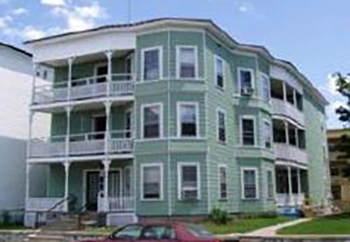
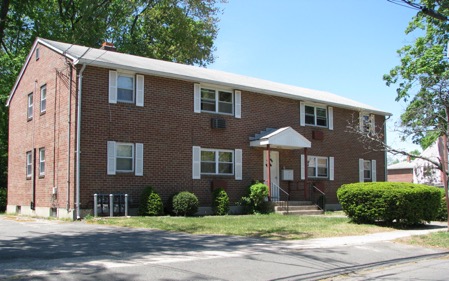
We recently refinanced a 24-unit property we acquired back in 2016. We refinanced the property on the 10-year anniversary of when we acquired it. While a 10+ year hold may seem like a long hold period to some investors, the investment has over-performed, created significant equity, and still has additional value to be added to it due to how the local market has performed.
We acquired this property off-market from long-term owners. It was a stable, cash-flowing property with the opportunity to address deferred maintenance and increase rents to improve the cash flow and value of the asset.
The property cash flowed about 5-7% to investors the first couple of years, and then increased to about 11% as we improved the property and increased the Net Operating Income.
As we went into year 5 of the hold, we had executed our business plan and considered selling the property. However, after analyzing the market, we determined by doing a higher level of renovations to some units we could continue to push rents higher – to an amount we never imagined when acquiring the asset.
On the 5-year anniversary our interest rate reset at a very favorable rate. We did not refinance or raise additional equity, but were able to continue giving 11% annual distributions to investors AND renovate a portion of the units to a higher level to increase rents another $250+ on those units, along with replacing some roofs and addressing other deferred maintenance items.
By reinvesting retained earnings to make these improvements (rather than taking on more debt or diluting the equity with additional investments), we were able to compound our equity and generate significant value.
As we approached the 10-year anniversary, we again contemplated selling the property, but determined we were better off renovating the remaining units to create additional value. However, we did decide to refinance the property to pull all investor capital out, and increase our operating reserve for future renovation projects.
After the refinance, we have returned all investor capital, should maintain 11%+ cash flow distributions based on original contribution amounts, have over a 4X equity multiple in the deal based on the appraised value and current debt amount, and still have value-add opportunities to continue to increase cash flow and equity.
While most return metrics favor properties with shorter-term hold periods, holding strong performing assets in good locations for a longer period of time is a great way to create equity and build wealth while avoiding transactional risks and costs.
Related Posts